High-Performance Sintered Plates: Industry-Leading Environmental Filtration Solutions
In modern industrial production, especially in industries like automotive painting, metallurgy, chemicals, food, pharmaceuticals, and lithium battery production, filtration equipment plays a critical role in improving production efficiency, ensuring product quality, and maintaining operational safety. With increasing environmental regulations and the rising demands of production, sintered plates have become the preferred choice for filtration systems in various industries. This article delves into the technical advantages, applications, and how sintered plates help businesses enhance productivity while meeting environmental protection standards.
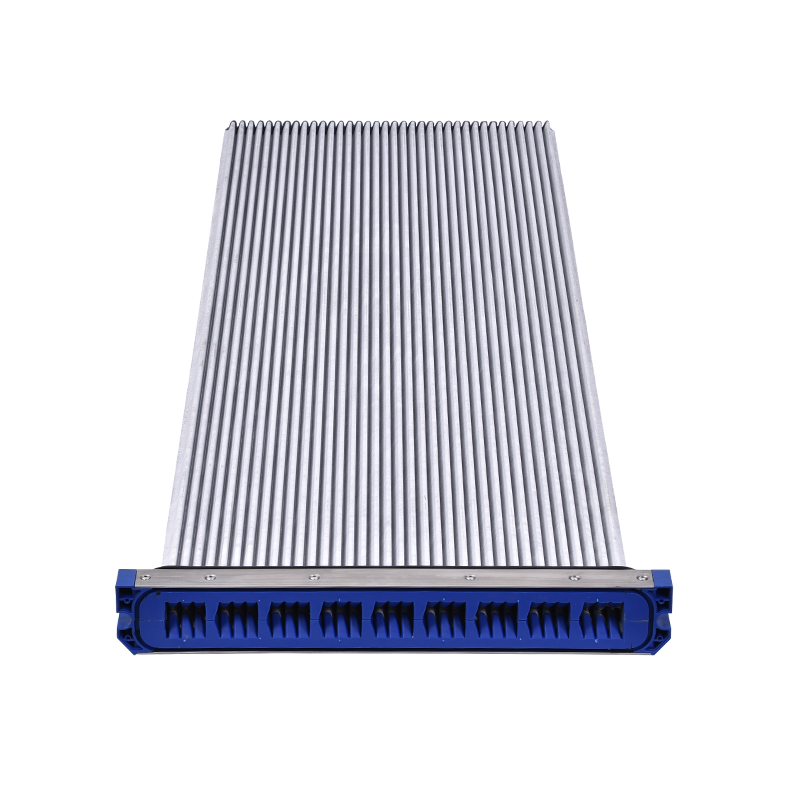
What is a Sintered Plate?
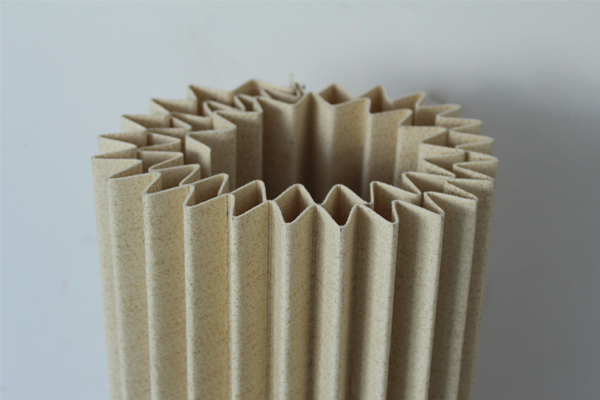
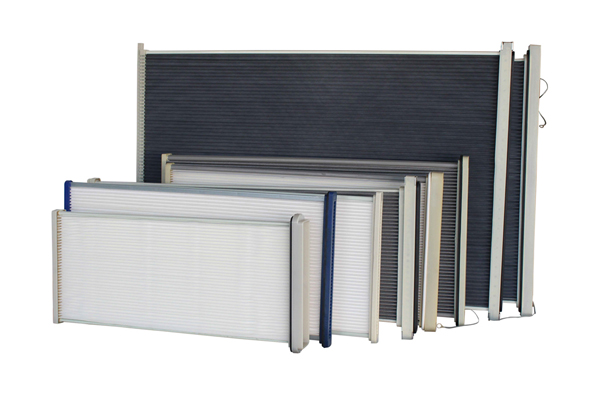
A sintered plate is a high-efficiency filtration material made using high-polymer composite materials through an integrated molding process. It has high strength, stability, and excellent filtration performance. Through precision micropore technology, sintered plates effectively remove dust and pollutants from the air while ensuring long-term, efficient operation. Its structural design makes it suitable for filtration needs in environments with high humidity, heavy oil smoke, sticky dust, and strong corrosiveness.
Core Technical Advantages of Sintered Plates
- Innovative Integrated Molding Design: Rigidity and Durability
Sintered plates use high-polymer composite materials through an integrated molding process, eliminating the traditional bonding method and offering the following benefits:
Optimal Structural Rigidity: Compact design and integrated molding technology give sintered plates higher mechanical strength and stability.
No Bonding Defects: The absence of adhesives eliminates common issues like air leaks, delamination, and poor bonding, ensuring long-term equipment stability.
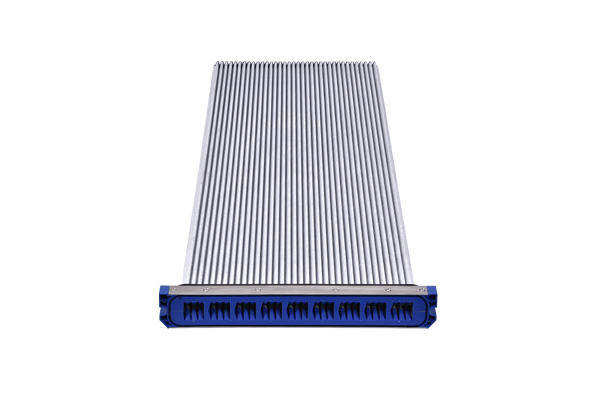
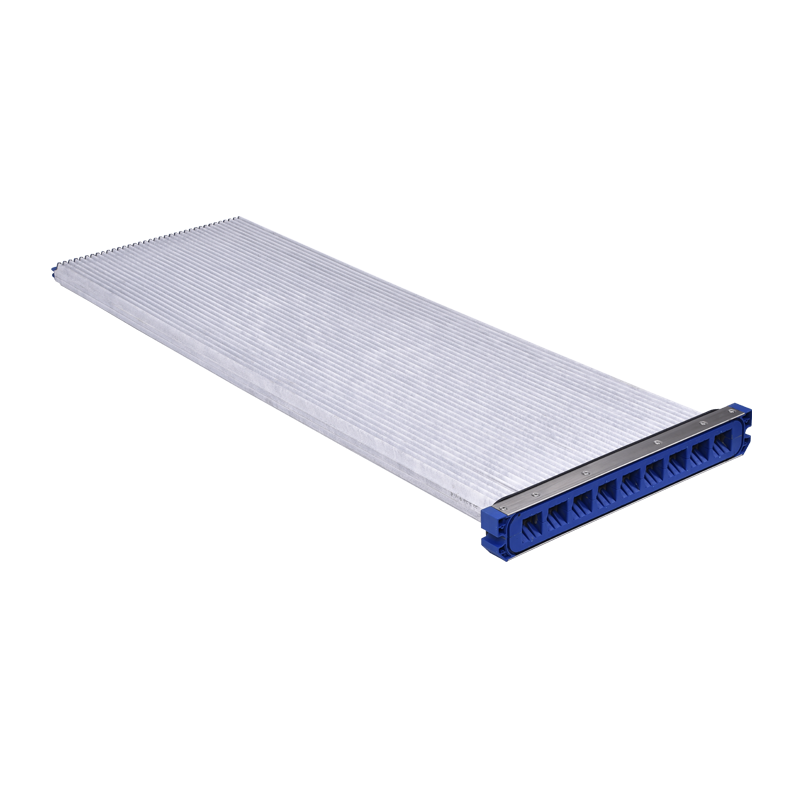
Independent Internal Space Design: The plate is designed with nine independent spaces that allow concentrated backflushing of compressed air, enhancing dust removal and prolonging equipment lifespan. - Micropore Technology: High-Efficiency Filtration and Low Resistance
The sintered plate is made with imported high-polymer composite materials that are treated with a special process to create micron-sized pores. Key benefits include:➤ Stable Pressure Loss: During the filtration process, the device’s resistance remains stable, unaffected by the cleaning process or the accumulation of dust, ensuring continuous high-efficiency filtration.
➤ Ultra-High Filtration Efficiency: With a filtration accuracy of ≥0.1μm, it effectively filters fine particles,
ensuring the dust concentration in the exhaust gas is below 10mg/m³, meeting stringent environmental protection
standards. - Excellent Dust Removal Performance
The sintered plate surface is made of PTFE, which is highly hydrophobic and smooth, making it difficult for dust to adhere, reducing cleaning frequency. Its rigid structure ensures it doesn’t deform during cleaning, allowing backflushed air to pass through effectively and remove dust quickly, significantly improving cleaning efficiency and equipment stability. - High Chemical Resistance and Durability
The sintered plate can operate stably in high-temperature, high-humidity, and highly corrosive environments. Its excellent abrasion resistance makes it ideal for use in high-intensity industrial environments, particularly those involving frequent dust handling or mechanical wear.
Wide Applications of Sintered Plates
Sintered plates are used across multiple industries, particularly in environments that require high-efficiency filtration, dust removal, and explosion-proof features. Key applications include:
- Automotive Painting Industry: Removes oil smoke and VOCs (volatile organic compounds) during the painting process to ensure a safe production environment and product quality.
- Metallurgy and Chemical Industries: Operates stably in high-temperature, high-humidity, and corrosive environments, ensuring the safety of the production process.
- Food and Pharmaceutical Industries: Made from food-grade materials that meet FDA standards, ensuring hygiene and safety during production and preventing contamination.
- Explosion-Proof Applications: Customizable for anti-static and explosion-proof designs to meet safety requirements in high-risk environments, especially in explosive and flammable workplaces.
- Lithium Battery Industry: In lithium battery manufacturing, sintered plates are used for controlling air quality in production facilities, effectively removing dust and contaminants that could impact the quality and safety of battery cells.
High Recyclability: Supporting Sustainable Development
Sintered plates contain no fibers, and their materials are recyclable. At the end of their service life, they can be recycled and processed again, reducing waste and aligning with modern industrial sustainability principles. This feature not only reduces environmental impact but also enhances the product’s economic and ecological value.
Installation and Maintenance of Sintered Plates
Sintered plates support both horizontal and vertical installation and can be maintained through methods like water washing, circulation, and regeneration. This significantly extends the service life of the product and reduces maintenance costs. Whether in industrial facilities or special operating conditions, sintered plates provide customized filtration solutions.
Why Choose Sintered Plates?
- Eco-Friendly and Efficient: No adhesives, recyclable, and meets stringent environmental standards.
- Strong Stability: High strength, low resistance design ensures long-term efficient operation.
- Diverse Applications: Suitable for various working conditions with customized solutions tailored to different requirements.
- High Safety: Anti-static and explosion-proof designs enhance safety in high-risk workplaces.
Conclusion: Boosting Productivity and Ensuring Environmental Compliance
With increasingly strict global environmental regulations, sintered plates are transforming industrial production by offering a high-efficiency, eco-friendly filtration solution. They not only provide excellent filtration performance but also help businesses enhance productivity, reduce environmental pollution, and ensure operational safety.
If you are looking for an efficient filtration solution, sintered plates are your ideal choice. Contact our professional team to receive customized solutions tailored to your specific needs and help your company move towards sustainable development.